Moths of the World Trivia Questions
- ❓ 57+ questions
- 🗂️ Name that Butterfly
- 🎚️ Easy to expert
- ✨ Free to play
Name the moth from a photo and a clue. Play Moths of the World trivia solo to sharpen your knowledge, or challenge a friend head-to-head in Trivia Tango — every question comes with an explanation so you learn as you play. Questions span every level, from easy warm-ups to expert-level stumpers, so there's a real challenge here however much you already know.


Already playing?
Sample Moths of the World Quiz Questions
A mix of medium and hard questions. Think you know the answers? Play to find out.
This day-flying tropical moth is iridescent in green, orange and turquoise, and carries no coloured pigment whatsoever.
Difficulty: Hard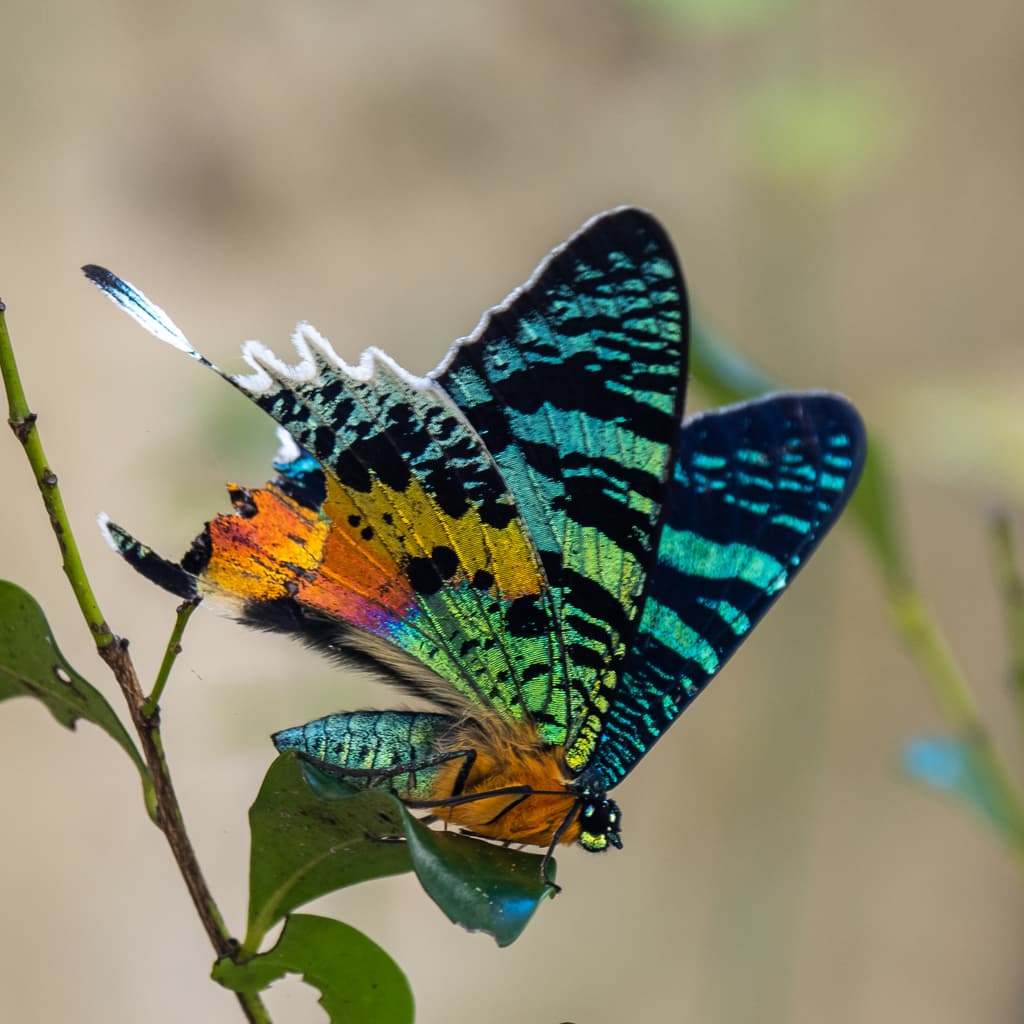
- Hercules Moth
- Giant Peacock Moth
- Bogong Moth
- Madagascan Sunset Moth
This pale green North American moth trails long twisted tails and has no mouth at all, living about a week as an adult.
Difficulty: Medium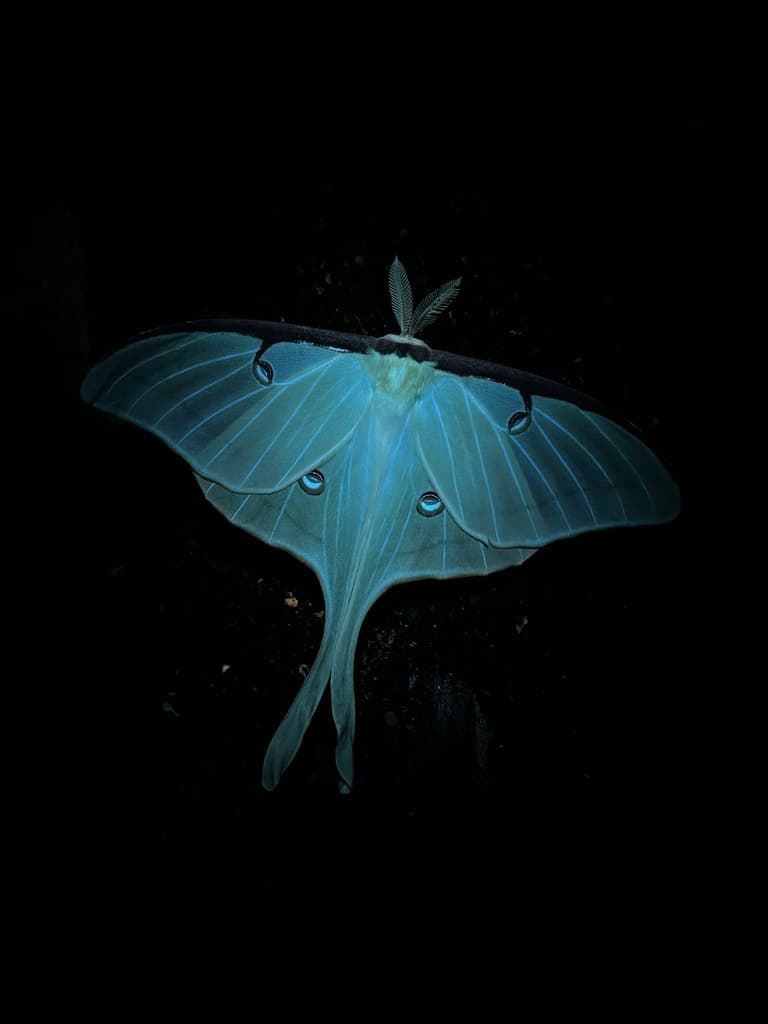
- Luna Moth
- Angle Shades
- Io Moth
- Ailanthus Webworm Moth
This European moth rests with its wings rolled into a cylinder so that it becomes a broken birch twig, pale sheared end and all.
Difficulty: Hard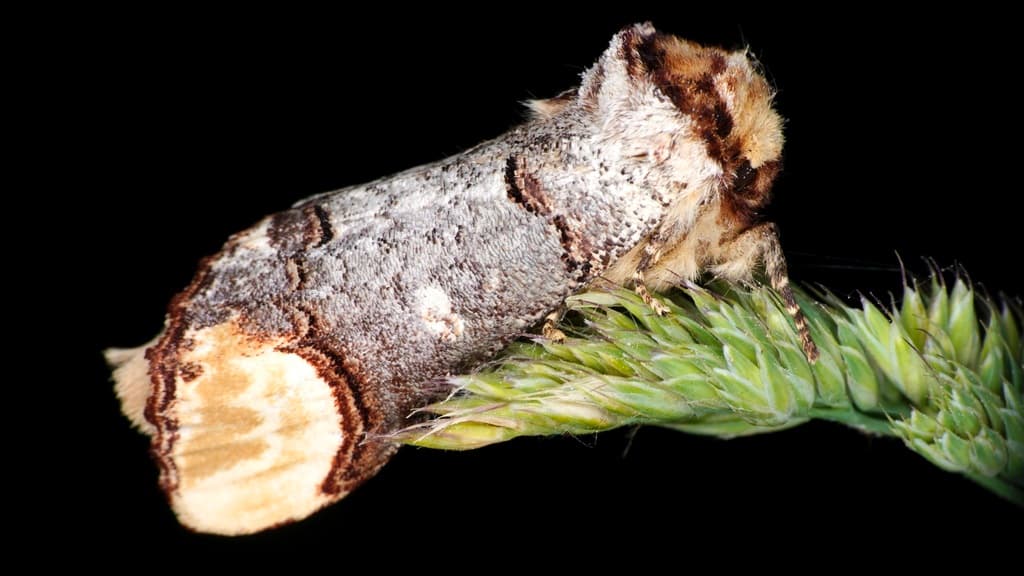
- Rosy Maple Moth
- Buff-tip
- Lobster Moth
- Puss Moth
This European moth has clear wings and a yellow and black banded body, and mimics a stinging wasp so exactly that it fools most people who meet it.
Difficulty: Hard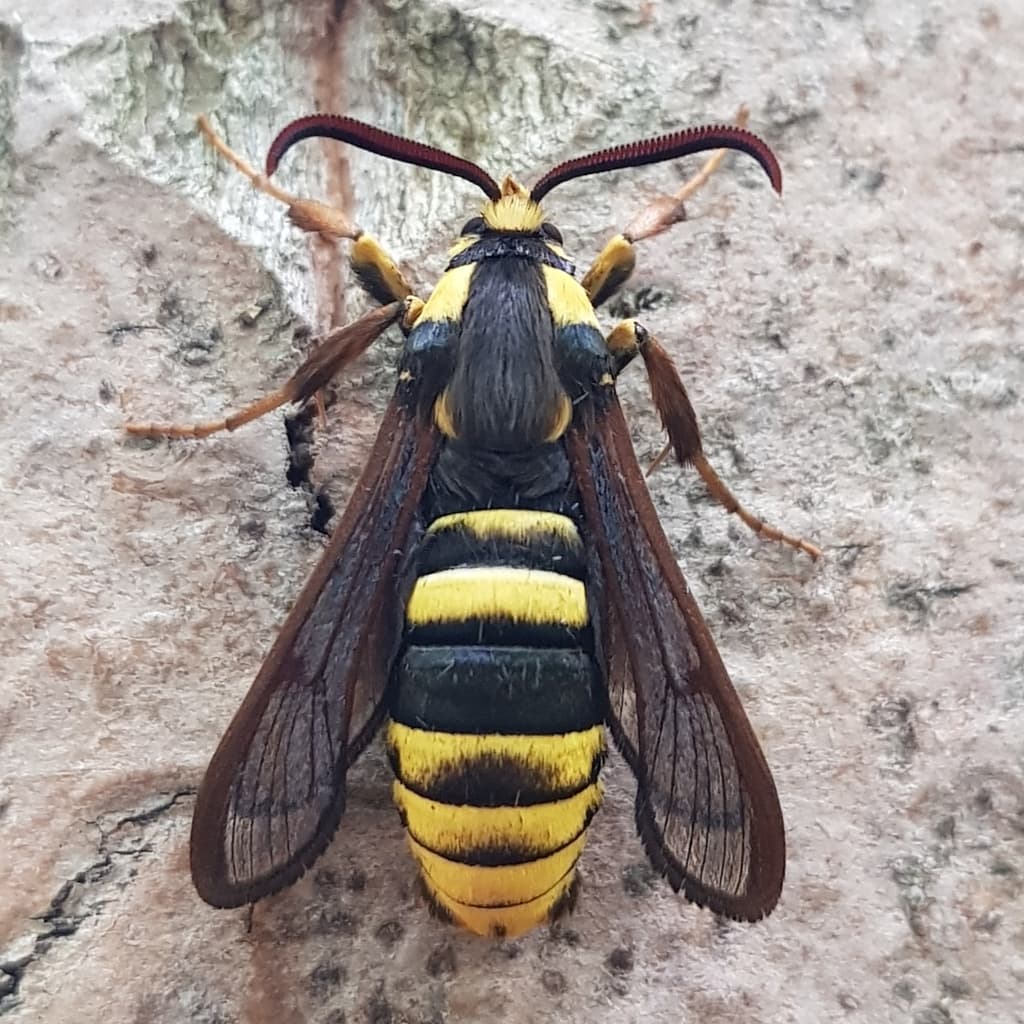
- Imperial Moth
- Hornet Moth
- Ailanthus Webworm Moth
- Peppered Moth
This enormous Asian moth has the greatest wing area of almost any insect, and each forewing tip is shaped and marked like a snake's head.
Difficulty: Medium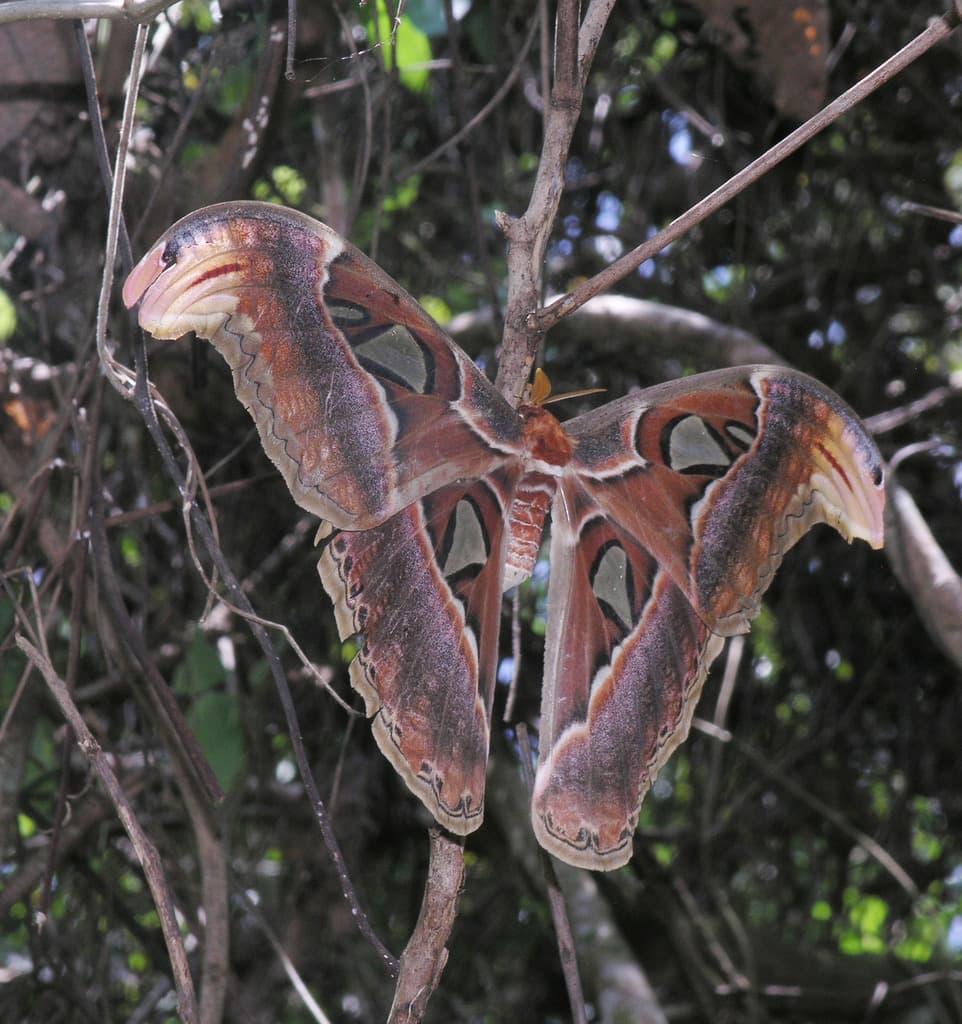
- Atlas Moth
- Imperial Moth
- Spongy Moth
- Bella Moth
This moth was brought to Massachusetts in 1869 in an attempt to start a silk industry, escaped, and has defoliated forests across the eastern United States ever since.
Difficulty: Hard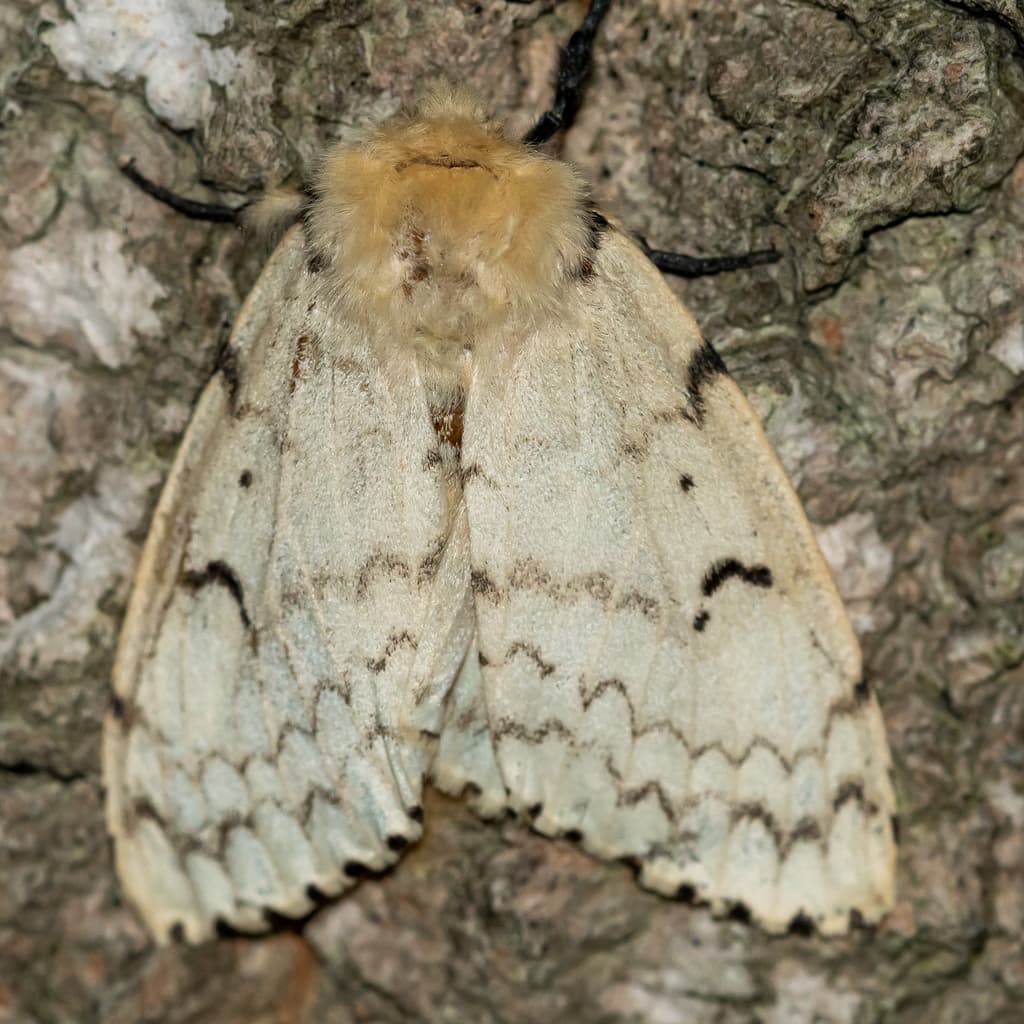
- Garden Tiger
- Spongy Moth
- Blue Underwing
- Virginia Ctenucha Moth
This large dark tropical American moth wanders as far north as Canada, and folklore across Mexico and the Caribbean treats its arrival indoors as an omen.
Difficulty: Hard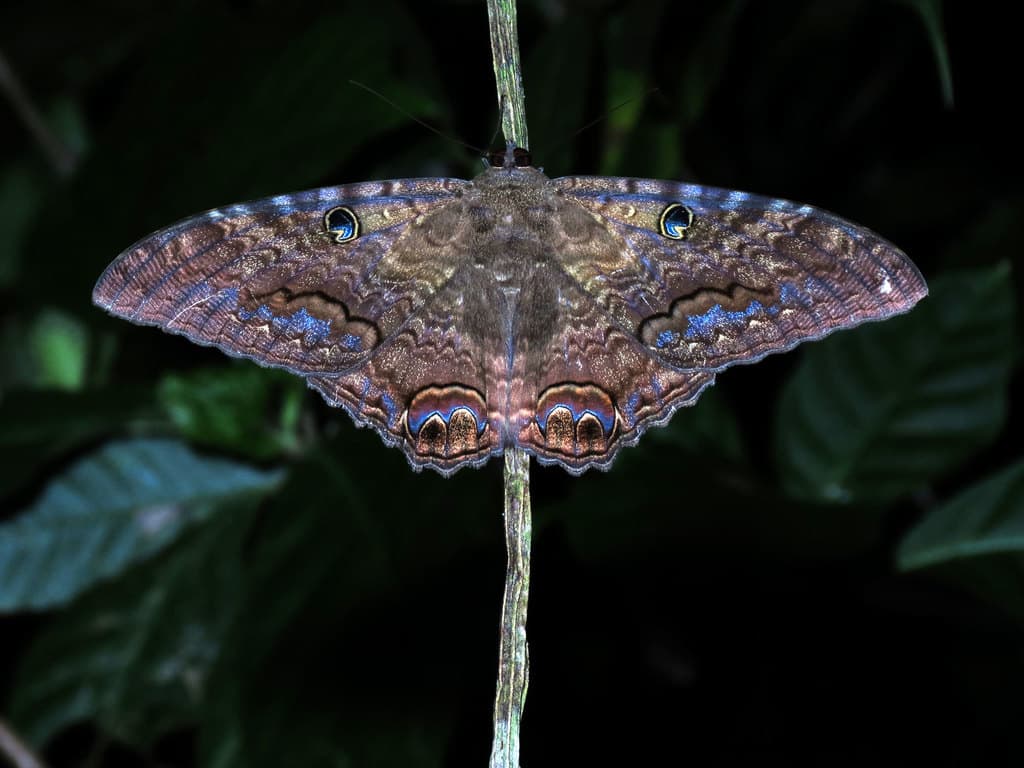
- Old Lady Moth
- Black Witch
- Blue Underwing
- White Witch
This pale flightless moth no longer exists in the wild, has been bred by people for more than five thousand years, and produces the thread that named a trade route.
Difficulty: Medium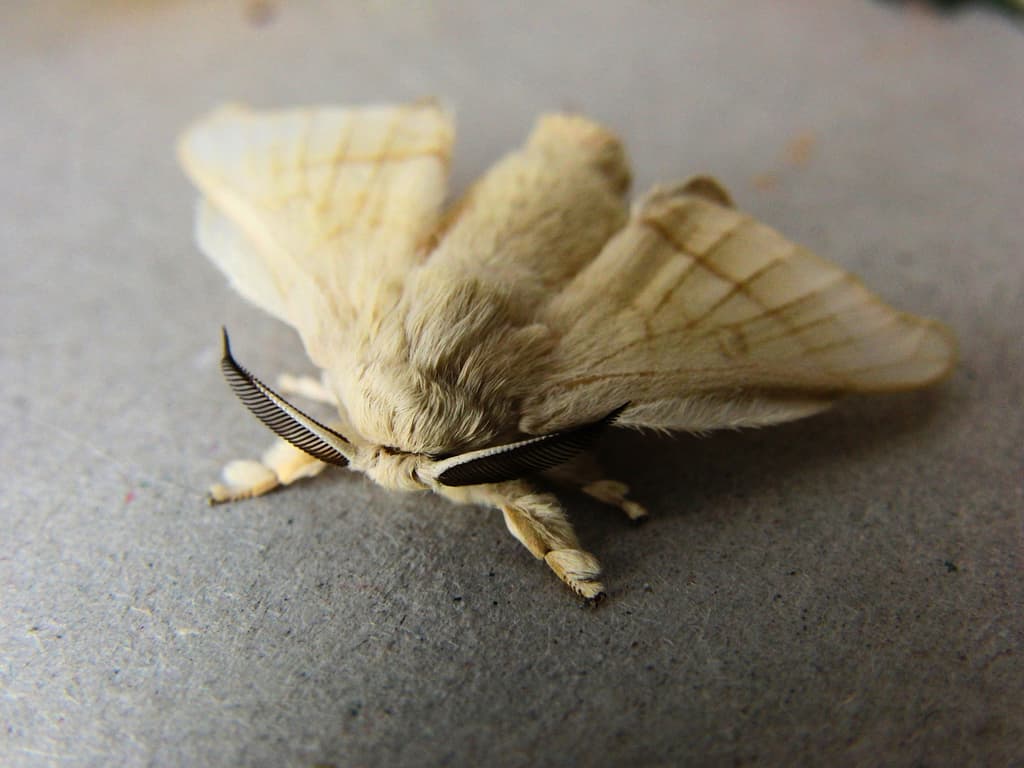
- Swallow-tailed Moth
- Domestic Silkmoth
- Giant Leopard Moth
- Puss Moth
Think You Know Moths of the World?
Play a free round in your browser, learn something new with every answer, and challenge your friends to beat your score.
Or get the app