Name that Butterfly Trivia
- 📚 2 topics
- ❓ 168+ questions
- 🎚️ Easy to expert
- ✨ Free to play


Already playing?
Play Name that Butterfly Trivia by Topic
Pick a topic to preview real questions and start a free game — every answer comes with an explanation, so you learn as you play. Every topic carries easy, medium and hard questions, so beginners and experts both get a real game.
Sample Name that Butterfly Quiz Questions
A mix of easy, medium and hard — questions run from warm-up to expert, so there's a real challenge at every level. Think you know the answers? Play to find out.
This orange and black butterfly migrates thousands of miles to overwinter in the fir forests of central Mexico.
Difficulty: Easy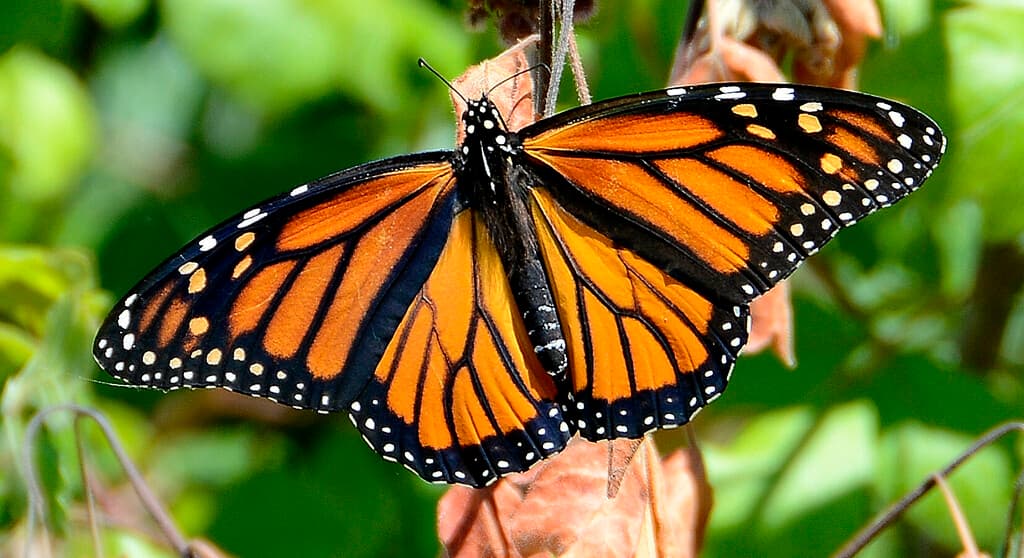
- Karner Blue
- Common Morpho
- Monarch
- Viceroy
This pale green North American moth trails long twisted tails and has no mouth at all, living about a week as an adult.
Difficulty: Medium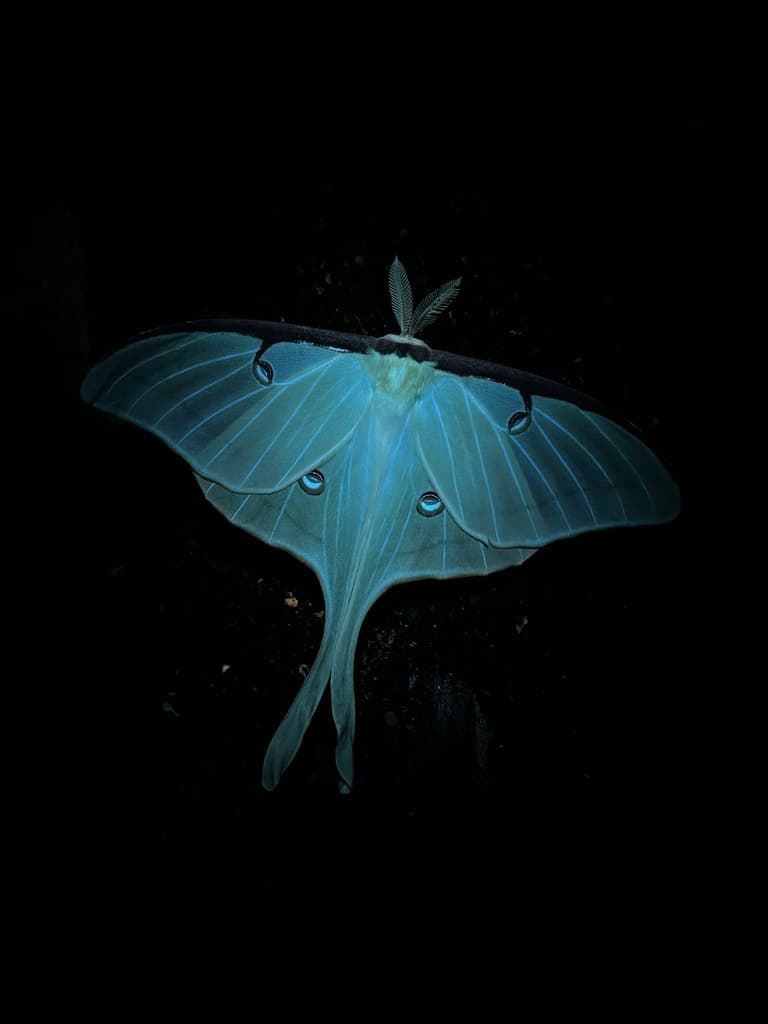
- Luna Moth
- Angle Shades
- Io Moth
- Ailanthus Webworm Moth
This large lemon insect with four dark bars on each forewing is among the best known butterflies in North America, and some females are sooty instead.
Difficulty: Medium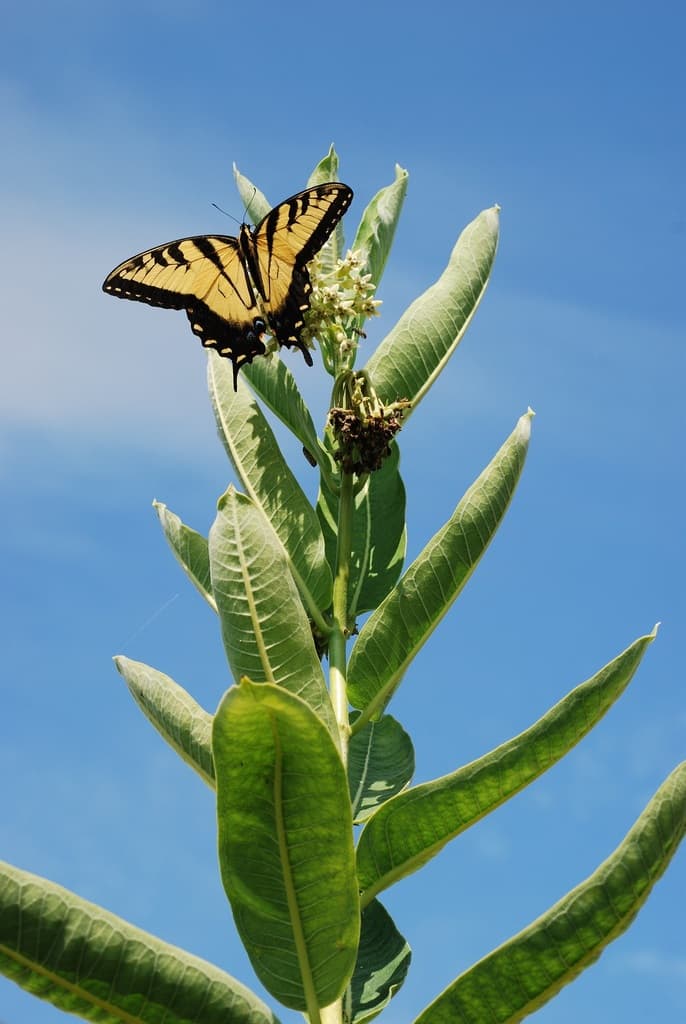
- Zebra Swallowtail
- Pipevine Swallowtail
- Eastern Tiger Swallowtail
- Emerald Peacock Swallowtail
This day-flying tropical moth is iridescent in green, orange and turquoise, and carries no coloured pigment whatsoever.
Difficulty: Hard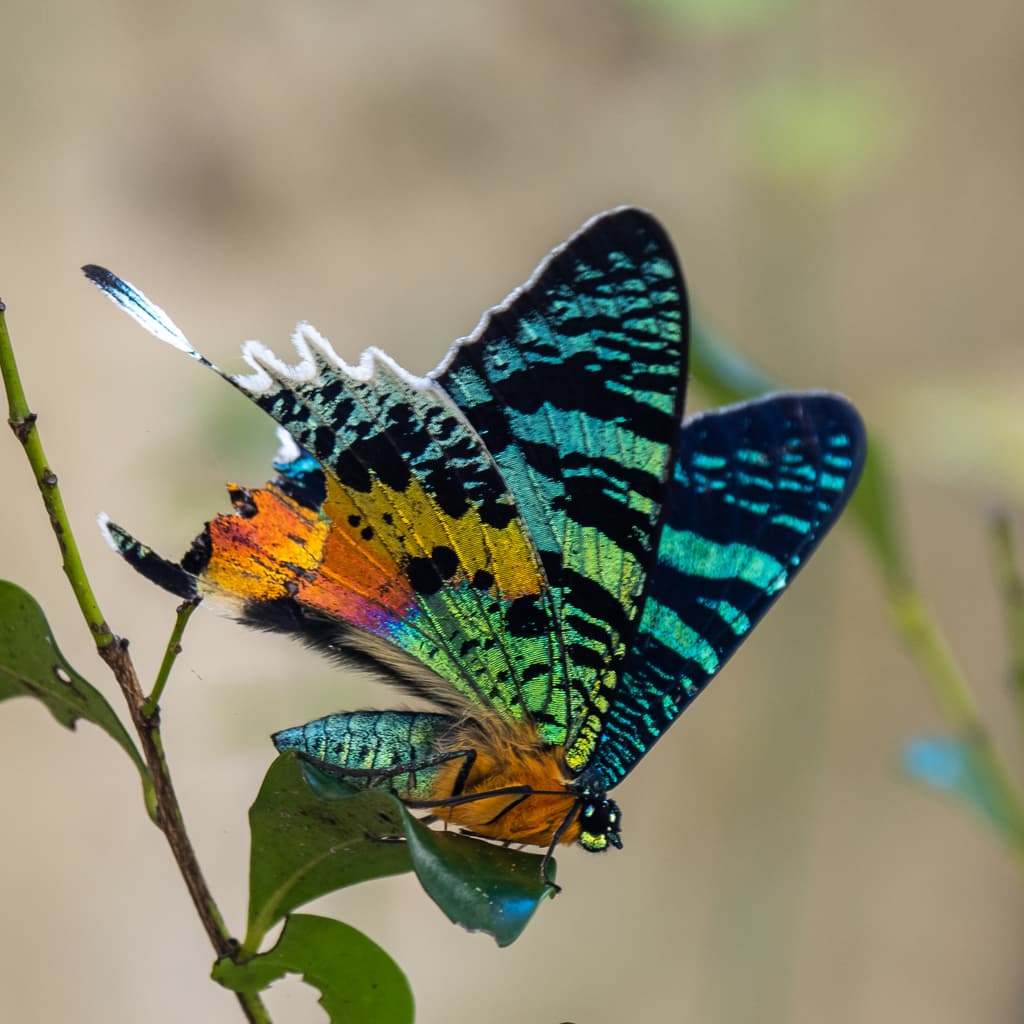
- Hercules Moth
- Giant Peacock Moth
- Bogong Moth
- Madagascan Sunset Moth
This Asian butterfly shuts its wings to become a dead leaf, complete with a false midrib, mock fungal spotting and an imitation stalk.
Difficulty: Hard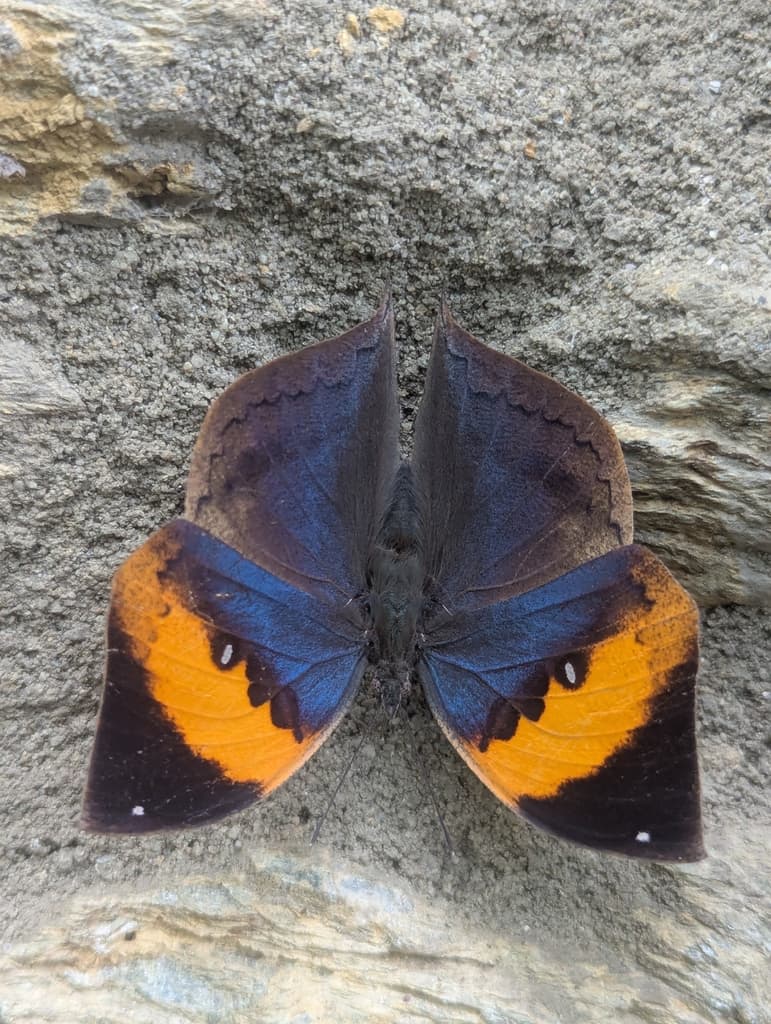
- Goatweed Leafwing
- Orange Oakleaf
- Map
- American Lady
This European moth rests with its wings rolled into a cylinder so that it becomes a broken birch twig, pale sheared end and all.
Difficulty: Hard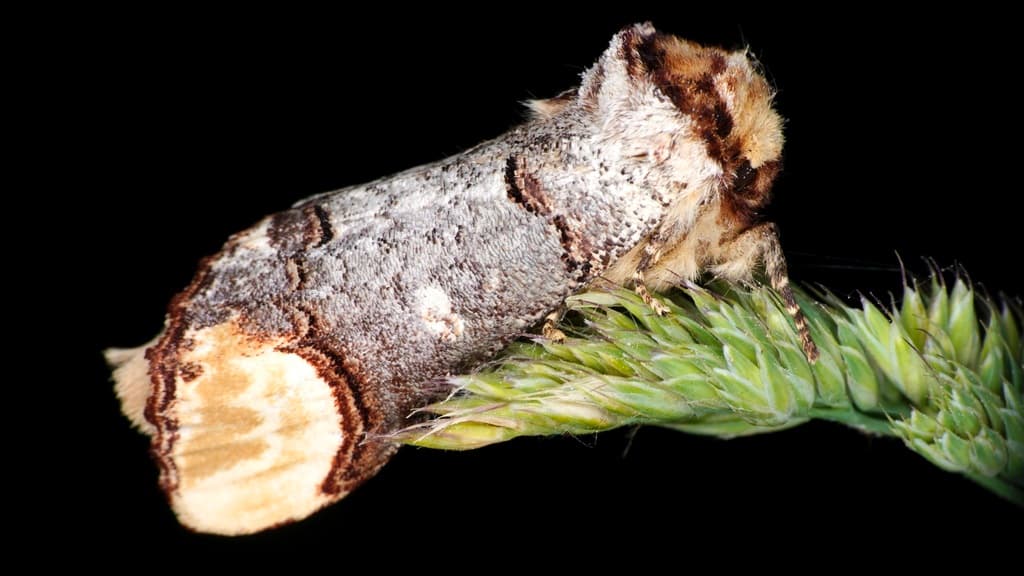
- Rosy Maple Moth
- Buff-tip
- Lobster Moth
- Puss Moth
This large woodland butterfly of Europe shimmers violet only from certain angles, and males come down from the treetops for dung, carrion and sweat.
Difficulty: Hard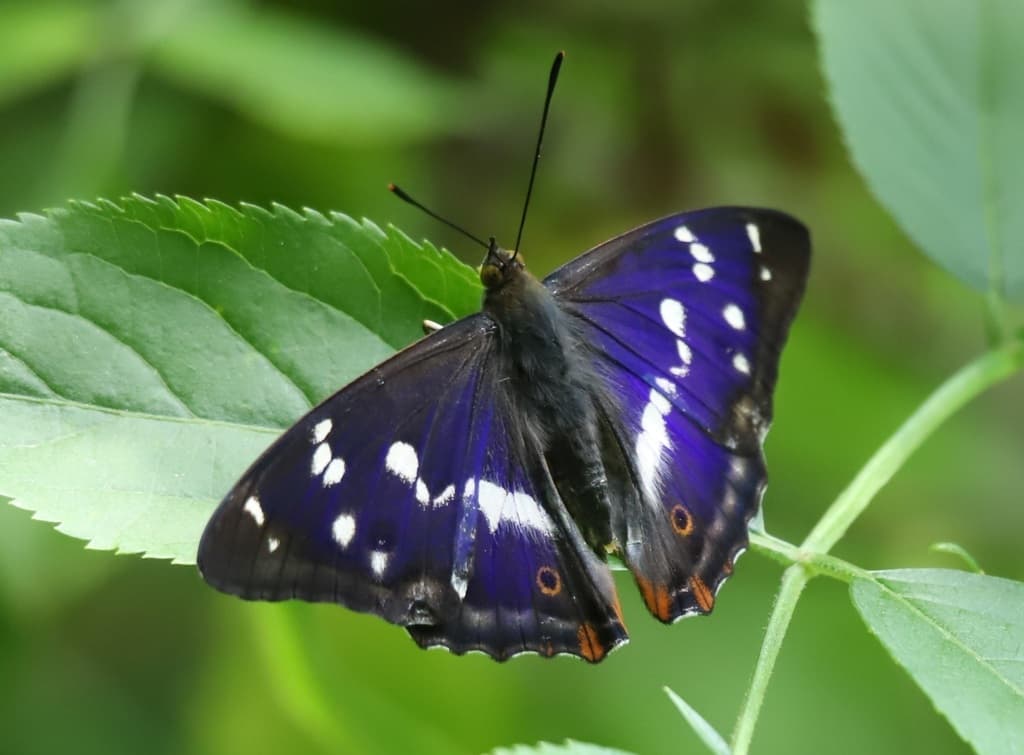
- Tailed Emperor
- Purple Emperor
- Mourning Cloak
- Hackberry Emperor
This enormous Asian moth has the greatest wing area of almost any insect, and each forewing tip is shaped and marked like a snake's head.
Difficulty: Medium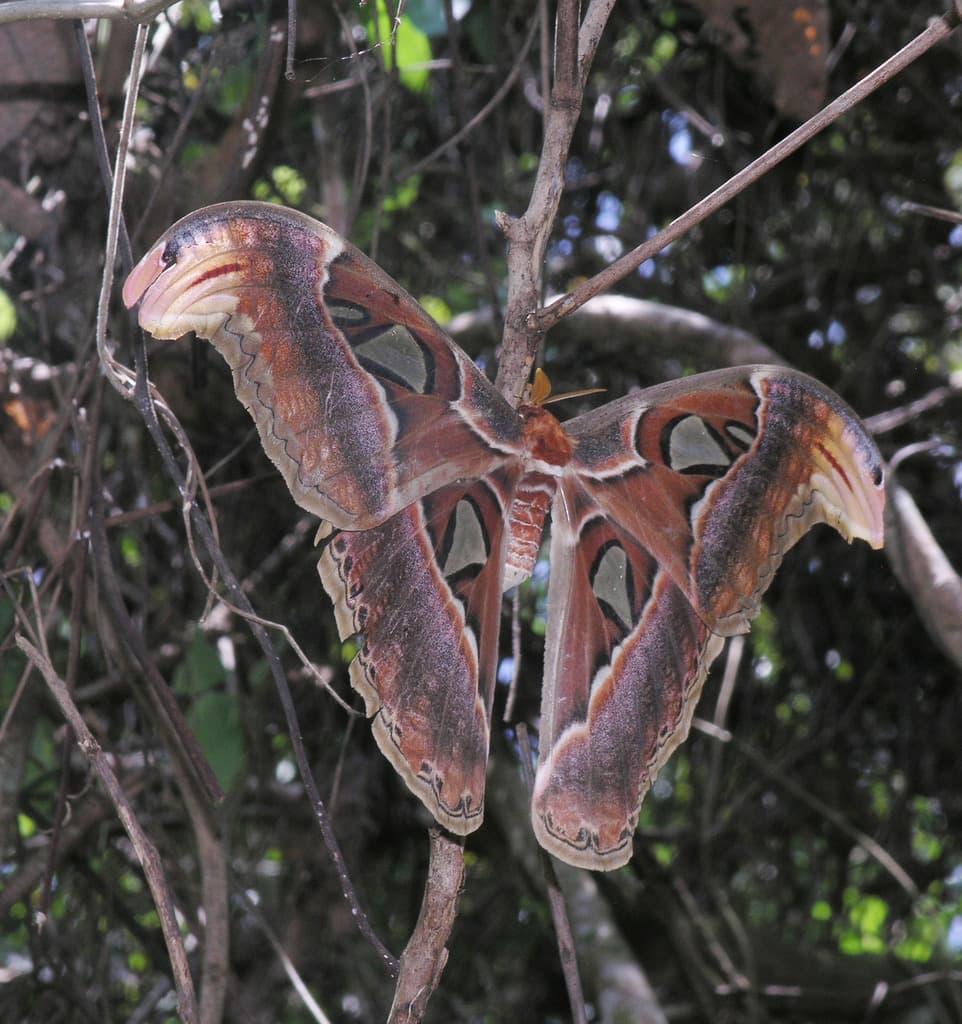
- Atlas Moth
- Imperial Moth
- Spongy Moth
- Bella Moth
Think You Know Name that Butterfly?
Play a free round in your browser, learn something new with every answer, and challenge your friends to beat your score.
Or get the app